The Best Extra Añejo Tequilas: 19 Bottles Compared
Looking for the best extra añejo tequila to sip or gift? We compare 19 bottles, from El Tesoro to Clase Azul Ultra, on age, oak, taste and price.

TL;DR
Extra añejo tequila spends at least three years in oak, and beyond that minimum the bottles on shelves differ a lot. Some age for around three years, others for four, five or more. Some use ex-bourbon barrels, others use French oak, Cognac or Bordeaux casks, and a few are filtered clear. Prices run from about £45 to roughly £1,200 per bottle.
This guide compares nine top bottles in detail and ten more of the most-searched brands, on ageing, oak, tasting profile and price. It also answers the questions people ask most: which to gift, which are worth the premium, and which have the strongest provenance. In this article:
How we compared these bottles
If you're new to the category, our guide to what extra añejo tequila is and why it takes three years covers the rules. The category itself is young. Extra añejo only received its own official designation in 2005.
For each bottle we looked at four things:
Ageing and oak: how long the tequila rests and in what kind of barrel.
Style: whether the agave still shows through the wood.
Availability: whether you can realistically find it.
Price: what a 750ml or 1L bottle typically costs.
Prices are indicative, based on retailer listings in the UK and US, and vary by retailer and release. US prices have been converted to pounds at roughly £0.75 to the dollar and rounded. Ageing statements and barrel types come from producers and retailers, so check the label on the bottle in front of you.
At a glance
Bottle | Ageing (as stated) | Oak / barrel | Indicative price | Style in one line |
|---|---|---|---|---|
Tapatío Excelencia Gran Reserva | ~4 years | New, heavily charred oak | ~£200–210 (1L) | Intense, oak-forward, still herbal |
El Tesoro Extra Añejo | 4–5 years | Ex-bourbon | ~£90–100 | Coffee, chocolate, agave-forward |
Tequila Ocho Extra Añejo | 3 years | Old ex-American whiskey | ~£145–185 | Lightly oaked, single-estate |
Mandala Extra Añejo | Listed at 7 years* | French oak* | ~£140–178 (1L) | Sweet, vanilla, hand-painted decanter |
Amor Mío Extra Añejo | 48 months | French oak | ~£150 | Wood, vanilla, chocolate, nuts |
Adictivo Extra Añejo | 5–7 years* | French oak* | ~£45–78 | Sweet, roasted, approachable |
Cincoro Extra Añejo | 40–44 months | Tennessee whiskey | ~£1,180–1,200 | Rich, cognac-like, collector price |
Qui Platinum Extra Añejo | 3.5+ years | American whiskey and Bordeaux | ~£45–75 | Clear, soft, vanilla and butterscotch |
Maestro Dobel 50 Cristalino | 3+ years | American and Eastern European | ~£110–120 | Clear, fruity, toasted oak |
* Retailers list different ageing and barrel details for this bottle. See the section below.
The Camarena-family bottles
Three of the most respected names on this list come from the family of master distiller Carlos Camarena. They share a philosophy of keeping the agave audible over the oak.
Tapatío Excelencia Gran Reserva Extra Añejo Tequila
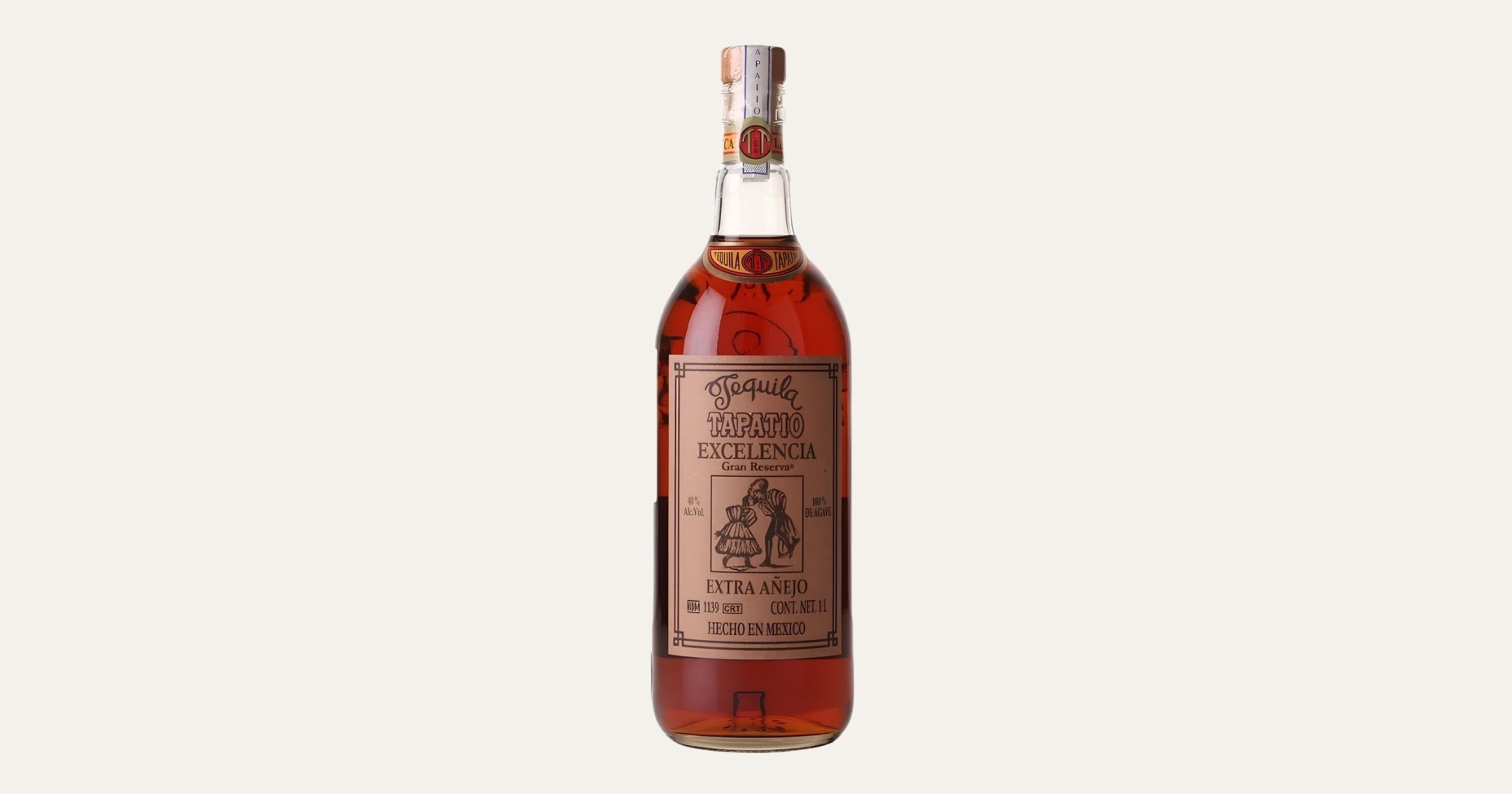
Tapatío Excelencia is the bottle other extra añejos are often measured against. It was long reserved for friends and family of Don Felipe and Carlos Camarena, and it ages for around four years in new, heavily charred white American oak, in very small batches. Critics describe it as concentrated and complex, with creamy oak that never overwhelms the pure agave, alongside buttered grilled peppers and toffee apple. One retailer reviewer praised it because it isn't sweet, which is a common trait in the category. UK retailers list the one-litre bottle at around £200–210.
Best for: drinkers who prefer savoury, herbal and peppery notes over dessert-like sweetness.
Trade-off: the oak is bold and can turn drying late on the finish, and availability is patchy.
El Tesoro Extra Añejo Tequila
El Tesoro's Camarena family history goes deep. Its five-year Paradiso, aged in Cognac barrels, was released in 1994, before the CRT formally created the extra añejo category. The standard extra añejo is the more accessible bottle. It is aged four to five years in ex-bourbon barrels and launched as a permanent line at a suggested price of around £75 (US$99.99). It leans towards coffee, dark chocolate, dried fruit and roasted almonds, with a peppery, oaky finish. Retail prices now commonly sit around £90–100.
Best for: a first serious extra añejo with a long-ageing pedigree and a mid-range price.
Trade-off: it's more oak-driven than Ocho, so agave purists may prefer the latter.

Tequila Ocho Extra Añejo
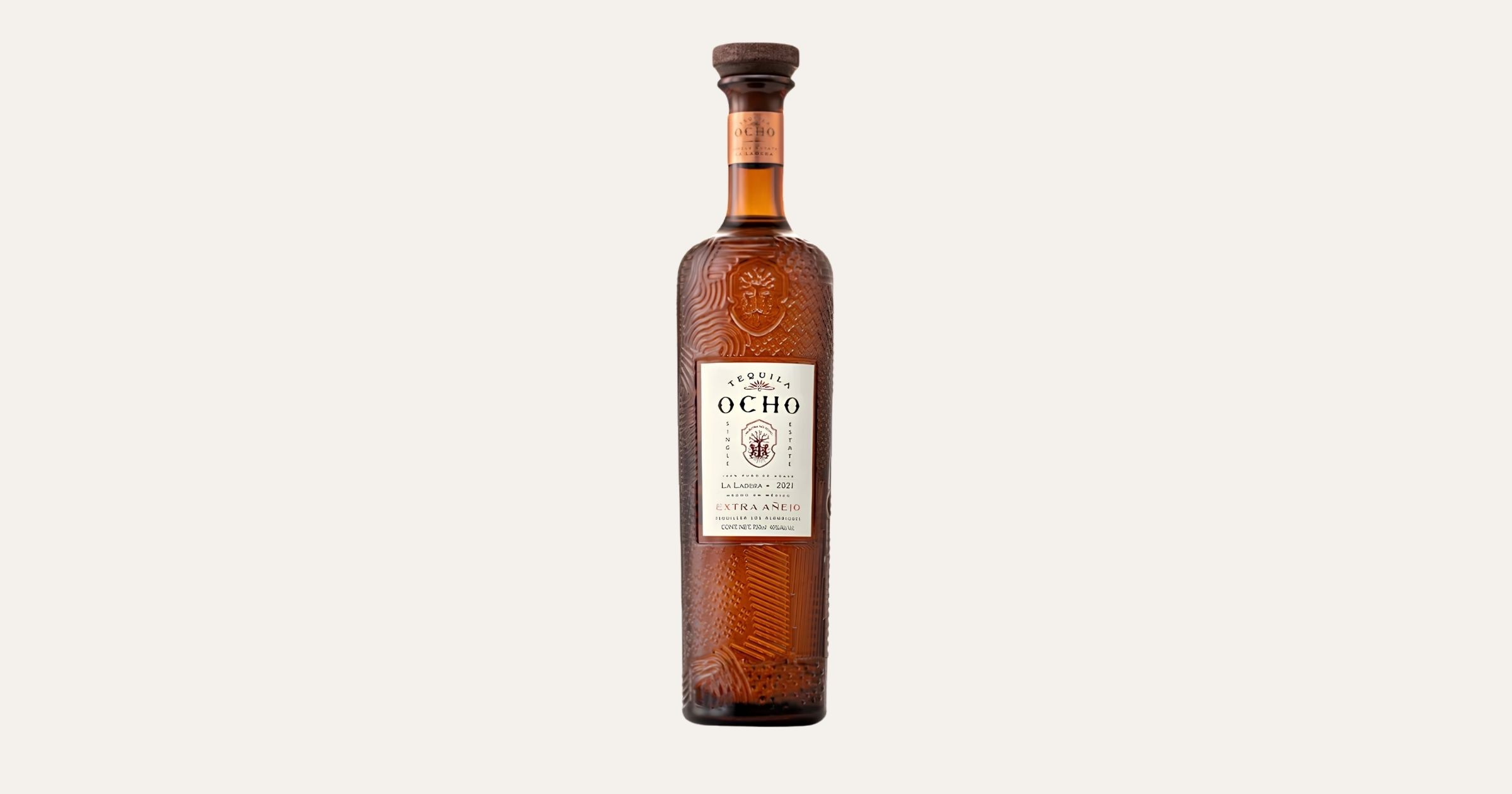
Ocho is the single-estate, terroir-first brand of the family. Its extra añejo is rare. The 2024 release, its first since 2022, is aged three years in old ex-American whiskey barrels, with a suggested price of around £185 (US$249) and just 720 physical cases in the US. The tasting profile features dried cherries, chocolate, salted caramel and raisins on the nose, with roasted agave, coffee, candied nuts and orange zest on the palate.
Best for: those who want agave to lead and oak to play a supporting role.
Trade-off: allocations are tiny, so you may pay well over the suggested price on the secondary market.
Design-led and gift-led bottles
These four sit at very different price points. They tend to be bought as much for the bottle and the occasion as for the liquid.
Mandala Extra Añejo Tequila
Mandala is sold in a one-litre, hand-painted ceramic decanter. One retailer lists it at seven years in French oak, priced between about £140 and £170. Total Wine describes it as seven years in used French oak Bordeaux wine barrels, giving sweet caramel and vanilla. Other retailers describe the barrel programme differently (see the note on ageing statements below), so treat the label as the authority.
Best for: gifting and display, and drinkers who like a sweeter, vanilla-led style.
Trade-off: you're partly paying for the decanter.

Amor Mío Extra Añejo Tequila
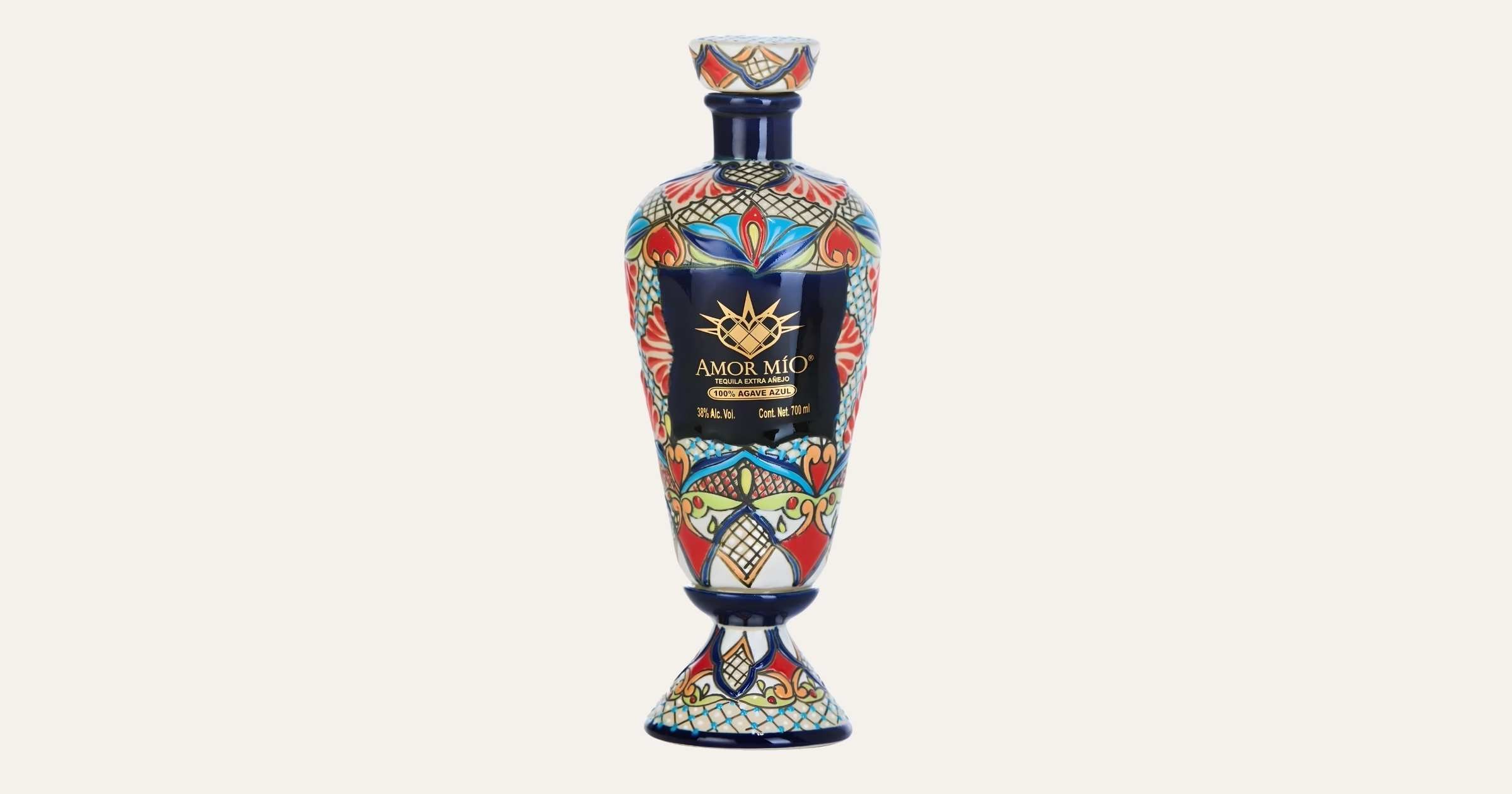
Amor Mío also comes in a hand-painted bottle. Retailers list it as 48 months in French oak, at about £150 per 750ml, with wood, vanilla, chocolate and nut aromas.
Best for: a special-occasion bottle with a four-year age statement.
Trade-off: a higher price than El Tesoro for a less-documented pedigree.
Adictivo Extra Añejo Tequila
Adictivo is the most affordable in this group, though listings are inconsistent. Costco describes a five-year French oak expression at around £45. Other retailers list it at seven years and around £68–75. One US shop prices it at just under £80. The consistent thread is a sweet, roasted, toasted-oak profile.
Best for: an approachable, sweeter extra añejo that won't strain the budget.
Trade-off: confirm the age statement on the exact bottle you buy.

Cincoro Extra Añejo Tequila
Cincoro was founded by a group of NBA owners including Michael Jordan. The extra añejo launched at around £1,200 (US$1,600), aged 40 to 44 months. It rests in Tennessee whiskey barrels in an underground cava, showing cooked agave, raisin, fig, coffee and dark chocolate. That is a strong premium over bottles that age longer for far less money, so much of the price reflects branding and exclusivity.
Best for: collectors and gift-givers who want a marquee bottle.
Trade-off: on ageing and flavour alone, it's the hardest to justify on value.

The clear extra añejos
Some drinkers want extra añejo depth without the amber colour. These two are filtered to remove it.
Qui Platinum Extra Añejo Tequila
Qui bills itself as the world's first platinum extra añejo. It ages more than three and a half years in American whiskey and French Bordeaux barrels, then goes through filtration and a further distillation, according to the producer. Reviewers note honey, butterscotch and oak with a medium finish, and it typically sells for around £45–75.
Best for: newcomers who want a smooth, easy-drinking clear extra añejo at an entry price.
Trade-off: filtration softens some of the depth that traditional extra añejo is known for.

Maestro Dobel 50 Cristalino Extra Añejo Tequila
Dobel 50 marks a milestone birthday. It was created for founder Juan Domingo Beckmann's 50th, using agave from a single family-owned estate. It ages at least three years in American and Eastern European oak before the colour is removed. VinePair scored it 95 and highlighted its fruity, toasted-oak character. Expect to pay around £110–120.
Best for: bourbon drinkers curious about tequila, and anyone who likes the clear, cocktail-friendly look of a cristalino.
Trade-off: filtration is debated among purists, and it is less agave-forward than the Camarena bottles.

A note on ageing statements
Retailer listings for some of these bottles disagree with each other. Adictivo appears with different ages, and Mandala with different barrel descriptions. It's a good reminder that the label and the producer's own documentation are the reliable source, and that an age statement can be worth checking before you pay a premium.
10 more extra añejo brands people ask about
Nine bottles can't cover the whole category. These ten are the other extra añejos people search for most, from Patrón and Don Julio to Clase Azul, compared on the same four measures.
Bottle | Ageing (as stated) | Oak / barrel | Indicative price | Style in one line |
|---|---|---|---|---|
Patrón Extra Añejo | 3+ years | New and used American, French and Hungarian oak | ~£70 (US launch price) | Almond, baking spice, vanilla, light agave |
Don Julio Ultima Reserva | Solera blend, no age stated | Bourbon barrels, Madeira finish | ~£300 (US$399 suggested) | Limited anniversary release |
José Cuervo Reserva de la Familia Extra Añejo | ~3 years on average, plus older reserves | Limousin oak and ex-American whiskey | ~£139–152 (70cl) | Caramel, toffee, almond, maple |
Avión Reserva 44 | 44 months | Oak, then a month in small barrels | ~£80 | Caramel, vanilla, oak |
Cava de Oro Extra Añejo | 5 years | Ex-red wine French oak | ~£70–75 | Caramel, vanilla, dried fruit, spice |
Don Fulano Imperial Extra Añejo | 5+ years | Finished in oloroso sherry casks | ~£140 (70cl) | Coffee, raisin, dark chocolate, cherry |
Dos Artes Extra Añejo | 5 years | French and American white oak | ~£170 (1L) | Butterscotch, roasted nuts, cocoa |
Tears of Llorona Extra Añejo | Listed at ~5 years* | Scotch, sherry and Cognac casks | ~£268 (1L) | Toffee, chocolate, vanilla, dried fruit |
Komos Extra Añejo | 3+ years | French white wine and ex-American whiskey | ~£450 (70cl) | Caramel, tobacco, orange peel, pecan |
Clase Azul Ultra Extra Añejo | 5 years | American oak, sherry cask finish | ~£2,600 (70cl) | Dark chocolate, dried fig, cigar box |
* Retailers do not all give an age statement for this bottle. Prices are indicative, from UK retailers where listed and otherwise converted from US prices at roughly £0.75 to the dollar.
The heritage houses
Patrón Extra Añejo
Patrón Extra Añejo was the brand's first new core expression in 25 years when it launched in 2017 at a suggested US price of US$89.99 (about £70). Patrón says it is aged for at least three years in a mix of new and used American, French and Hungarian oak, with almond, baking spice, cinnamon, vanilla and light cooked agave.
Best for: a recognisable, easy-to-find extra añejo for gifting or a first bottle.
Trade-off: it sits at the minimum age for the category, and the price on shelf has moved since launch, so check current listings.
Don Julio Ultima Reserva Extra Añejo
Don Julio released Ultima Reserva in 2021 ahead of the brand's 80th anniversary, as a tribute to founder Don Julio González, who began making tequila in 1942. It was blended through a solera, aged in bourbon barrels and finished in Madeira casks, with 4,000 cases in its first year at a suggested US$399 (about £300).
Best for: collectors and Don Julio loyalists who want the brand's top expression.
Trade-off: no age statement, and the price reflects scarcity and the anniversary story as much as the liquid.
José Cuervo Reserva de la Familia Extra Añejo
Reserva de la Familia was introduced in 1995 and comes in a collectible box designed each year by a different Mexican artist. Retailers describe it as made from 10- to 12-year-old agave, aged on average for three years in Limousin oak and ex-American whiskey casks, with older family reserves in the blend. Recent UK boxes have listed at around £139–152.
Best for: gifting, thanks to the annual artist box, and drinkers who like a caramel, toffee and almond style.
Trade-off: individual boxes sell out quickly, and earlier editions vary in price.
Avión Reserva 44 Extra Añejo
Avión Reserva 44 is named after its 44 months in oak: 43 months in standard barrels, then a final month in small barrels rotated daily. It is made in the Highlands town of Jesús María. US retailers list it at around US$110 (about £80), with caramel, vanilla and oak.
Best for: a mid-priced extra añejo with a clear, documented ageing story.
Trade-off: less widely stocked in the UK, so you may pay more through importers.
Longer ageing for the money
Cava de Oro Extra Añejo
Cava de Oro is one of the better-value long-aged bottles. Retailers list it at five years in ex-red wine French oak, made at the Puerta de Hierro distillery (NOM 1477) from Highlands and Tequila Valley agave. Our own market research found it at about £89–98 per litre, the cheapest five- to six-year extra añejo in our sample.
Best for: drinkers who want five years of ageing without paying for a decanter or a famous name.
Trade-off: retailer listings disagree on its strength (38% or 40% ABV), so check the label.
Don Fulano Imperial Extra Añejo
Don Fulano is made by the Fonseca family, fifth-generation agave farmers and distillers in Atotonilco in the Highlands. Imperial is aged for at least five years and finished in oloroso sherry casks, giving coffee, raisin, dark chocolate and cherry. The Whisky Exchange lists it at £140 for 70cl.
Best for: sherry-cask fans and anyone looking for a family-made extra añejo with a long age statement.
Trade-off: the sherry finish adds richness that can sit over the agave for purists.
Dos Artes Extra Añejo
Dos Artes comes in a one-litre, hand-painted ceramic bottle. It is distilled by Tequilas El Mexicano in the Tequila Valley and aged five years in French and American white oak. Retailers describe cooked agave, vanilla, butterscotch, roasted nuts and cocoa, at around US$228 (about £170) per litre.
Best for: gift-givers who want a decorative bottle with a five-year age statement.
Trade-off: you are paying partly for the ceramic, as with Mandala and Amor Mío.
Cask finishes and ultra-luxury
Tears of Llorona Extra Añejo
Tears of Llorona was created by Germán González, the tequila maker behind T1, and is matured in Scotch whisky, sherry and Cognac casks rather than the usual ex-bourbon. Reviewers describe it as aged around five years, with toffee, chocolate, vanilla and dried fruit. The Whisky Exchange lists the one-litre bottle at £268.
Best for: whisky and Cognac drinkers who want a familiar cask influence.
Trade-off: the producer gives no single official age statement on UK listings.
Komos Extra Añejo
Komos was co-founded by former Master Sommelier Richard Betts and is known for its light blue ceramic bottles. The extra añejo is matured for at least three years in French oak white wine casks and ex-American whiskey barrels, with caramel, tobacco, orange peel and pecan. The Whisky Exchange lists it at £450 for 70cl.
Best for: wine lovers and luxury gifting.
Trade-off: a minimum-age extra añejo at a top-tier price.
Clase Azul Ultra Extra Añejo
Clase Azul Ultra is aged for five years in American oak and finished in oloroso, amontillado and Pedro Ximénez sherry casks. It comes in a handmade decanter decorated with platinum, silver and 24-carat gold, made by artisans in Santa María Canchesdá. The Whisky Exchange lists it at £2,600 for 70cl, with dark chocolate, dried fig and cigar box.
Best for: a statement gift or collector's piece.
Trade-off: most of the price is the decanter and the brand. On ageing alone, Cava de Oro and Don Fulano offer five years for a fraction of the cost.
How to choose an extra añejo
If you want agave-forward: Ocho and Tapatío are the strongest picks, though both are hard to find.
If you want the best value at longer ageing: El Tesoro offers four to five years at a mid-range price.
If you want a sweeter, dessert-style pour: Mandala, Amor Mío and Adictivo lean this way.
If you want it clear: Qui suits a tighter budget, and Dobel 50 sits a step above.
If you want a collector's piece: Cincoro is priced as a statement bottle.
The best extra añejo for gifting, celebrations and provenance
Choosing by flavour is only half of it. If you are buying for a gift, a celebration or a bottle with real provenance, these are our picks from the 19 bottles above.
Which extra añejo tequila makes the best gift?
The best extra añejo gifts combine a striking bottle with a liquid that stands up on its own. Reserva de la Familia (an annual artist-designed box), Dos Artes (hand-painted ceramic, five years in oak) and Clase Azul Ultra (a gold- and platinum-decorated decanter) lead on presentation, while El Tesoro is the safer choice if the recipient cares more about what is inside.
Reserva de la Familia: a new collectible box each year, at around £140–150. Watch out for: individual editions sell out.
Dos Artes Extra Añejo: five years in oak in a hand-painted ceramic litre bottle. Watch out for: part of the price is the ceramic.
Mandala or Amor Mío: hand-painted bottles and a sweeter, vanilla-led style. Watch out for: Mandala's listings disagree on barrel type.
Clase Azul Ultra: the statement gift, at around £2,600. Watch out for: the decanter, not the age, drives the price.
El Tesoro Extra Añejo: a respected Camarena-family bottle at around £90–100. Watch out for: plainer packaging.
Which extra añejo tequilas are worth the premium?
Paying more for extra añejo does not reliably buy more age. In our analysis of extra añejo listings in Mexico and the US (74 bottles with a stated age), the median 750ml bottle cost about £139 at three to four years, £181 at five to six years and £347 at seven years or more, but the cheapest older bottles cost less than many branded three-year-olds.
Best value for age: Cava de Oro (five years, about £89–98 per litre) and El Tesoro (four to five years, about £90–100).
Worth the step up: Tapatío Excelencia and Tequila Ocho, where the premium buys small-batch production and agave character.
Harder to justify on liquid alone: Cincoro and Clase Azul Ultra, where branding and packaging account for much of the price.
Critics do rate the category highly. In the reviews we tracked across Wine Enthusiast, Tastings.com, Guía Peñín and Falstaff, extra añejo averaged 95.0 against 90.2 to 91.5 for younger styles, although that is based on a small sample of nine extra añejo reviews.
Which extra añejo brands have the strongest agave origin and provenance?
The extra añejos with the clearest provenance name their distillery, their agave source and their age statement. Tequila Ocho (single-estate agave), Maestro Dobel 50 (agave from a single family-owned estate) and Cava de Oro (NOM 1477, with a five-year age statement) are the most transparent on this list.
Tequila Ocho: built around single-estate agave. Con: tiny allocations.
Maestro Dobel 50: single-estate agave, though it is filtered clear. Con: filtration is debated by purists.
Don Fulano Imperial: made by the Fonseca family, fifth-generation agave farmers in the Highlands. Con: sherry finish can mask the agave.
Bottles to double-check: Adictivo, Mandala and Tears of Llorona, where retailer listings disagree or omit the age statement.
How to check provenance yourself: every bottle of tequila carries a NOM number that identifies the distillery that made it, which you can look up on the Consejo Regulador del Tequila site or Tequila Matchmaker. The same CRT system is what tracks individual barrels, which we explain in our tequila investment glossary.
Which extra añejo is best for a celebration or special occasion?
For a celebration, pick a bottle that suits the guests as well as the moment. Maestro Dobel 50 was created for its founder's 50th birthday and suits a milestone, Patrón Extra Añejo is a familiar name most guests will recognise, and Tapatío Excelencia rewards a table of serious sippers.
Milestone birthdays: Maestro Dobel 50 Cristalino, at around £110–120.
A crowd-pleaser: Patrón Extra Añejo, widely available and approachable.
A sipping toast: Tapatío Excelencia Gran Reserva, savoury and complex.
A showpiece: Cincoro or Clase Azul Ultra, if the bottle itself is part of the occasion.
Serve extra añejo neat, at room temperature or slightly cooler, without ice.
Which extra añejos come from family-owned estates?
Several of the best extra añejos are still made by founding families. The Camarena family is behind Tapatío, El Tesoro and Tequila Ocho, the Fonseca family makes Don Fulano, and Maestro Dobel 50 is made from agave grown on a single family-owned estate.
Tapatío Excelencia: long reserved for friends and family of Don Felipe and Carlos Camarena.
El Tesoro: Camarena family heritage, and its five-year Paradiso predates the extra añejo category itself.
Tequila Ocho: the family's single-estate, terroir-led brand.
Don Fulano Imperial: five-plus years, from fifth-generation agave farmers and distillers.
Reserva de la Familia: José Cuervo's family-reserve label, made from estate agave.
How does Patrón Extra Añejo compare with other premium extra añejos?
Patrón Extra Añejo is a good entry point rather than a benchmark. It is aged for the three-year minimum in mixed American, French and Hungarian oak and launched at around £70, which makes it cheaper and easier to find than Tapatío or Ocho, but those offer more agave character and small-batch production.
Pros: widely available, recognisable for gifting, approachable almond and vanilla style.
Cons: minimum age, and less distinctive than smaller family producers.
If you want to trade up: El Tesoro for four to five years in oak at a slightly higher price, or Tapatío Excelencia for complexity.
Why this matters beyond the bottle
Every bottle above started life as newly distilled tequila in a barrel, held for years. That time is what creates the scarcity and flavour we describe in our guide to why extra añejo is where tequila investors should be looking. It is also why we focus on barrels rather than bottles, as explained in why invest in tequila barrels rather than bottles. If you want to understand how value builds in the cask, see what makes a tequila barrel valuable.
Frequently Asked Questions (FAQ)
What makes a tequila "extra añejo"?
It must age at least three years in oak barrels. See our full guide to extra añejo tequila.
Is older extra añejo always better?
No. Longer oak time can overpower the agave. A well-judged three- or four-year extra añejo can beat a poorly managed older one.
Which extra añejo is best for a first purchase?
El Tesoro Extra Añejo is a widely available, well-regarded starting point, with Qui Platinum or Maestro Dobel 50 as clear alternatives.
Should extra añejo be served neat?
Yes, at room temperature or slightly cooler, without ice, so the layers of flavour aren't diluted.
Do these bottles keep ageing once bottled?
No. Ageing stops once the tequila leaves the barrel.
What does the NOM number on a tequila bottle tell you?
It identifies the distillery that made the tequila. Brands that share a NOM come from the same distillery, so it is a quick way to check who really makes a bottle. See our glossary for more on NOM and the CRT.
What is the cheapest way to buy an older extra añejo?
Look past the famous names. In our research, Cava de Oro offered five years in oak for about £89–98 per litre, while several branded three-year bottles cost more.
Is Clase Azul Ultra an extra añejo?
Yes. Clase Azul Ultra is aged for five years in American oak and finished in sherry casks. Most of its price reflects the hand-decorated decanter rather than extra age.
If you are interested in investing in barrels of premium ageing tequila, with a Historic IRR of between 15% and 35% (net, historic transaction records verified by WineFi), you can download our tequila barrel investment guide.
This article is provided for general information and is not personal investment advice. Capital is at risk. Wine and spirit values can go down as well as up, and investments may not perform as expected. Returns may vary. You should not invest more than you can afford to lose. WineFi is not authorised by the Financial Conduct Authority. Investments are not regulated and you will have no access to the Financial Services Compensation Scheme (FSCS) or the Financial Ombudsman Service (FOS). Past performance and forecasts are not reliable indicators of future results. Investments are illiquid. Tax treatment depends on individual circumstances and may change. You are advised to obtain appropriate tax or investment advice where necessary. WineFi is a trading name of WineFi Management Limited.


Ready to Invest in Tequila?
Connect directly with our investment team to discuss portfolio integration, hold periods, and secure your barrel allocation.
© 2026 WineFi Management Limited. All rights reserved. Capital is at risk. Wine values can go down as well as up, and investments may not perform as expected. Returns may vary. You should not invest more than you can afford to lose. WineFi is not authorised by the Financial Conduct Authority. Investments are not regulated and you will have no access to the Financial Services Compensation Scheme (FSCS) or the Financial Ombudsman Service (FOS). Past performance and forecasts are not reliable indicators of future results and should not be relied on. Forecasts are based on WineFi’s own internal calculations and opinions and may change. Investments are illiquid. Once invested, you are committed for the full term. Tax treatment depends on individual circumstances and may change. You are advised to obtain appropriate tax or investment advice where necessary.
WineFi is a trading name of WineFi Management Limited. Registered in England and Wales with registration number: 14864655 and whose registered office is at 5th Floor, 167-169 Great Portland Street, London, United Kingdom, W1W 5PF.